How Finnish Household Budgeting Works: Rent, Utilities, Taxes and Everyday Spending
Learn how to build a practical household budget in Finland: tax cards, rent, utilities, food costs, annual bills and savings habits explained step by step.
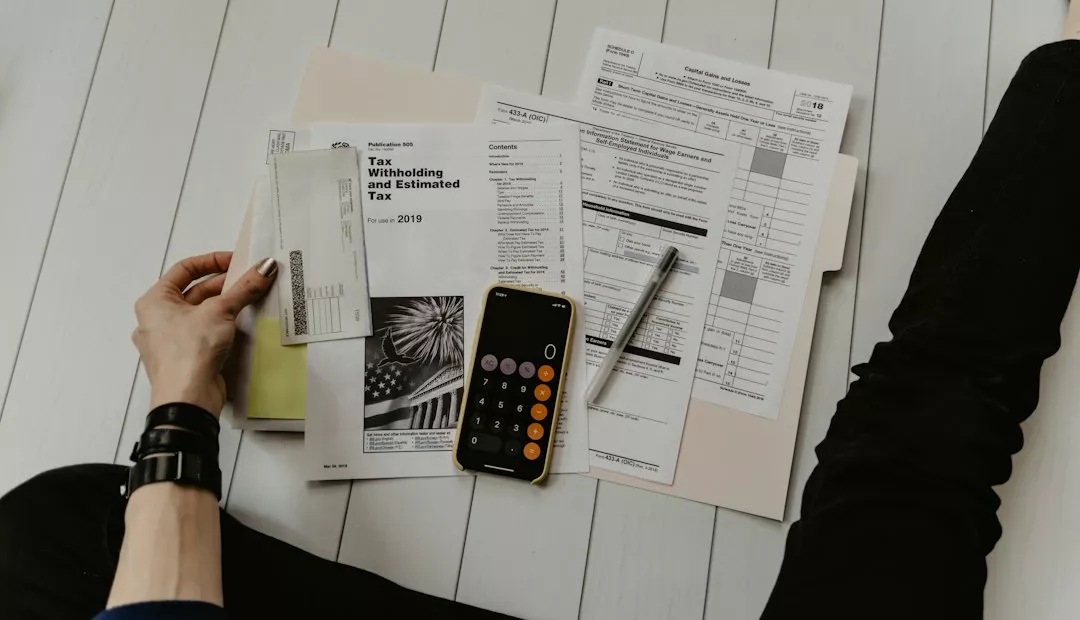
Budgeting in Finland has its own rhythm. Wages are usually paid monthly, tax is withheld at source, and a surprising number of costs arrive only once or twice a year. A budget copied from another country often fails here because it ignores these local details. This guide explains how to build a household budget that fits Finnish realities, using euros and the institutions you will actually deal with.

Start With Net Income, Not Gross Salary
In Finland, employers withhold income tax before paying your salary, based on the tax card (verokortti) issued by the Finnish Tax Administration, Vero Skatt. Your withholding percentage is set on that card, and employers also deduct pension and unemployment insurance contributions. The number that matters for budgeting is the amount that lands in your account, not the figure in your contract.
You can update your tax card online through the OmaVero service. If you have several income sources, irregular earnings or significant deductions, a withholding rate that does not match your real tax can produce a surprise: either a refund (veronpalautus) or additional tax to pay after the annual tax assessment. Neither is a disaster, but if you rely on a refund to fund a holiday or a purchase, treat it as uncertain. The size and timing are decided by the tax authority, so check the current process on the official Vero website.
Irregular Income and Benefits
If you are a freelancer, a grant recipient or someone who mixes work with benefits from Kela, the Social Insurance Institution, your monthly income may vary. In that case, budget from your lowest typical month and treat anything above it as a bonus to allocate to savings or upcoming bills. Benefit rules and amounts change, so confirm what applies to you directly with Kela rather than relying on old figures.
Map Your Fixed Costs
Fixed costs are the bills that arrive no matter how your month goes. List them all before deciding what is left for everything else. Typical Finnish fixed costs include:
- Housing: rent, or the housing company charge (hoitovastike) and loan repayments if you own.
- Utilities: electricity, which many households buy on a contract with a retailer, plus water and heating, which are sometimes included in rent or the housing company charge.
- Internet and mobile: subscriptions from providers such as Elisa, Telia or DNA.
- Insurance: home contents insurance is widely held and often expected by landlords.
- Transport: a public transport season ticket or the running costs of a car.
Whether utilities are included in your housing payment varies a lot between rental contracts and housing companies. Read your agreement so you do not budget for the same cost twice or miss one entirely.
Electricity: A Variable Fixed Cost
Electricity deserves special attention because the price you pay depends on your contract type. A fixed-price contract gives predictability, while a spot-price or variable contract can move with the market, especially in winter when heating use rises. If you are on a variable contract, build a buffer into your monthly plan and do not assume last month's bill will repeat. Compare options on the independent price comparison service run by the Energy Authority rather than trusting any single retailer's marketing.
Plan for Annual and Seasonal Bills
The most common Finnish budgeting mistake is forgetting costs that appear only occasionally. These can wreck an otherwise tidy monthly plan. Examples include:
- Annual insurance premiums, which may be billed in a single payment or in instalments.
- Vehicle tax and inspection costs if you own a car.
- Winter tyres, clothing and equipment for the cold months.
- Property tax for owners, and extra housing company charges for repairs.
- Memberships, subscriptions and union or unemployment fund fees.
The solution is a sinking fund: add up what you expect to pay across the year for these items, divide by twelve, and move that portion into a separate savings account each month. When the bill arrives, the money is already there. Our guide on how budgeting works with fixed costs, pay dates and sinking funds explains the mechanics in detail, and the same method works well in Finland.
Food, Transport and Everyday Spending
After fixed and annual costs, you are left with flexible spending: groceries, eating out, leisure, clothing and small purchases. The simplest approach is to set a monthly allowance for each category and track real spending against it for two or three months before adjusting.
Grocery shopping is dominated by a few large chains, and many shoppers use loyalty programmes such as S-Bonus or the K-Plussa scheme. These can reduce costs or return a share of spending as bonuses, but the terms and benefits change, so check the current conditions with the retailer. Do not let a loyalty scheme push you into buying more than you planned; a bonus on money you did not need to spend is still a loss.

Use Your Bank's Tools
Most Finnish banks, including OP, Nordea, Danske Bank, S-Pankki and Aktia, offer spending categorisation in their apps. These tools can show where your money goes without manual spreadsheets. They are only as good as your willingness to review them, so set a short monthly routine, for example the first weekend after payday, to look at the summary and adjust.
Credit, Instalments and Pay-Later Services
Finland has a developed market for instalment payments and pay-later services at online checkouts. These can blur the picture of what you really owe, because several small commitments add up quickly. In a budget, treat every instalment plan as a fixed cost until it is fully paid, and avoid adding new ones before old ones end.
If you use a credit card, remember that the bill arrives later than the purchase and that borrowing carries costs and conditions set by the issuer. Our article on how credit cards work in Finland covers credit limits, billing and costs. If you are considering borrowing for a larger need, read personal loans explained first and compare the total cost of credit, not only the monthly payment. The APR is the figure that lets you compare offers, as explained in how APR differs from the interest rate. Credit decisions are always made by the lender, and every loan carries risk, so only borrow what your budget can genuinely support.
Build a Buffer Before You Invest
A budget is only useful if it survives a bad month. Before putting money into investments, aim to build an emergency buffer in an easily accessible savings account. How large it should be depends on your job security, housing situation and dependants. Many people choose several months of essential costs as a target, but the right amount is personal.
Savings products and their interest terms vary between banks and change over time, so compare the current conditions on each bank's website. Remember that deposit protection is provided through the Finnish deposit guarantee scheme up to limits that you should verify with the official authority. If your savings rarely seem to grow in real terms, why your savings aren't beating inflation explains why and what you can do about it.
A Simple Monthly Budget Framework
Here is a practical structure you can adapt:
- Write down your net monthly income after tax and deductions.
- List all fixed costs including housing, utilities, insurance and subscriptions.
- Add a monthly sinking-fund amount for annual and seasonal bills.
- Allocate a savings amount before spending, paid automatically on payday.
- Set flexible allowances for food, transport, leisure and personal spending.
- Review monthly and adjust the categories that consistently overrun.
Paying yourself first, by automating the transfer to savings on the day your salary arrives, is one of the most reliable habits. If you often feel your money disappears early, why you run out of money before payday offers more ideas for finding the leaks.
Common Mistakes to Avoid
- Budgeting from gross pay instead of the amount you actually receive.
- Ignoring annual bills that arrive as unpleasant surprises.
- Assuming utilities are always the same when winter heating and electricity prices vary.
- Stacking instalment plans until the monthly total becomes unmanageable.
- Making the budget too strict so it collapses after a few weeks; leave room for enjoyment.
Final Thoughts
A good Finnish household budget starts with your real take-home pay, accounts for seasonal and annual costs, and keeps credit under control. You do not need complicated software; a simple list, a sinking fund and a monthly review will take you far. Check current values for taxes, benefits, savings terms and electricity prices with the official providers and your own bank, because these details change. This article is general information, not personal financial advice, so consider your own circumstances before making decisions.
فريق تحرير Umberglint
يكتب فريق التحرير لدينا أدلة عملية حول البطاقات والقروض والخدمات المصرفية للقراء في دول الشمال الأوروبي وبولندا.