How Danish Credit Cards Work: Dankort, Visa/Dankort and Credit-Based Cards Explained
Learn how credit cards work in Denmark: Dankort versus true credit cards, Visa/Dankort, kreditkort rules, interest, billing and what to check before applying.
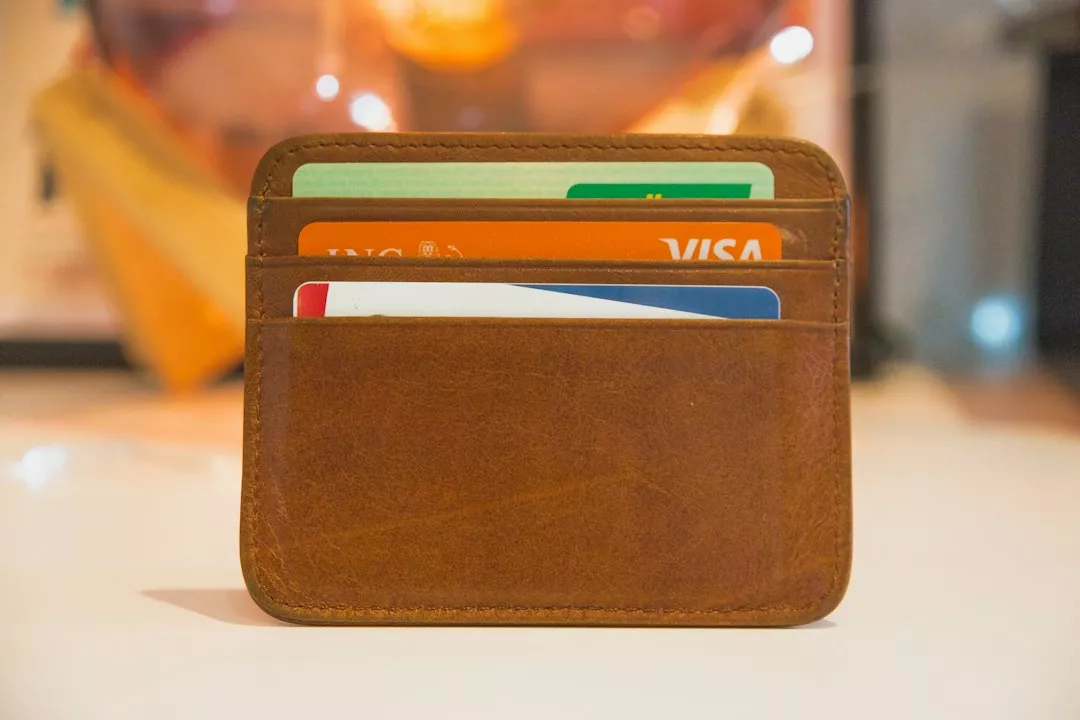
Denmark is one of the most card-friendly countries in Europe, yet the Danish payment landscape looks different from what many newcomers expect. Most everyday spending is done with a debit-style card rather than a true credit card, and the distinction matters a great deal for how you borrow, how interest works and what protections apply. This guide explains how credit cards work in Denmark, how they differ from the national Dankort, and what to weigh before you apply for one.
Dankort Versus a True Credit Card
The Dankort is Denmark's domestic payment card and is deeply embedded in daily life. It is linked directly to your bank account (typically your NemKonto or main current account), and money leaves your account when you pay. In other words, it is a debit card. There is no revolving credit line and no monthly statement to pay off, because you are spending your own money.
A true credit card, called a kreditkort in Danish, works differently. The issuer lends you money up to an agreed limit, and you repay it later. Depending on the product, you may pay the full balance by a set due date or spread repayments over time with interest. This difference is the single most important concept to understand before comparing products.
What Visa/Dankort Means
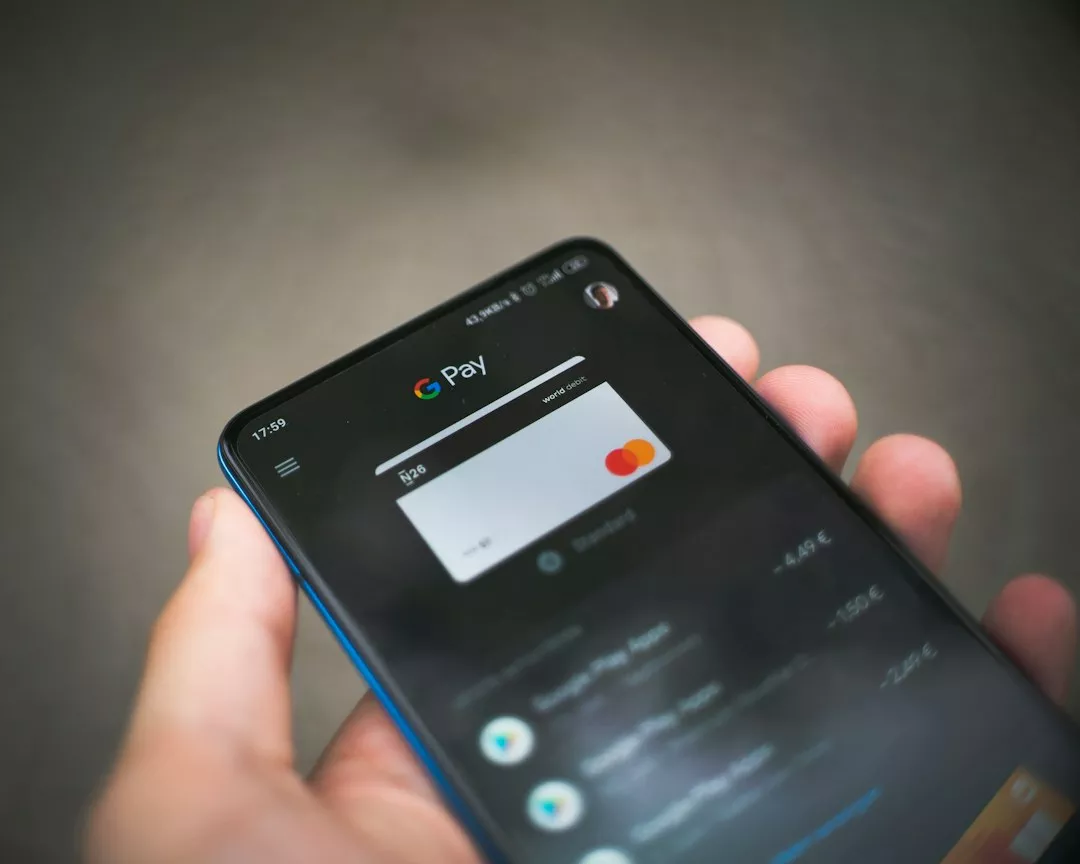
Many Danish banks issue a combined Visa/Dankort card. It carries both the domestic Dankort function and an international Visa function on the same plastic. Within Denmark the Dankort side is generally used, while abroad or online the Visa side takes over. Importantly, a Visa/Dankort is still a debit product linked to your account, not a credit card, even though the Visa logo might suggest otherwise. If you want to buy now and pay later, you need a separate card that explicitly offers credit.
How Credit Cards Are Offered in Denmark
True credit cards in Denmark come from several types of issuers:
- Traditional banks such as Danske Bank, Nordea, Jyske Bank and Nykredit-related banks, which may offer credit cards to existing customers, often with a lower barrier for those with a long relationship.
- Specialised card issuers that operate across the Nordics and offer cards with rewards, travel benefits or flexible repayment.
- Retail and travel partnerships where a card is tied to a loyalty scheme or an airline programme.
Not every bank will offer a credit card to every customer. Issuing a card is the issuer's decision, based on its own assessment of your finances, and every product comes with conditions. Always read the terms published by the provider rather than assuming a card will be available to you.
How Billing and Repayment Typically Work
Most credit cards operate on a monthly cycle. Purchases made during a period appear on a statement, and you receive a due date by which to pay. Many cards in the Nordic market offer an interest-free period if you pay the full statement balance by that date. If you pay only part of the balance, interest is usually charged on the remainder, and some cards also apply it from the purchase date rather than the statement date. The exact method varies by issuer, so check how interest is calculated in the card's terms.
Paying through Betalingsservice (the Danish direct debit system) is a common way to make sure statements are settled on time. Setting up automatic full payment can help you avoid interest and late-payment consequences, though you remain responsible for keeping enough funds in your account.
Interest, Fees and the Total Cost
Credit card costs in Denmark generally include a few components, and you should look for each of them before applying:
- Interest rate on any balance you carry past the due date.
- Annual or monthly fee, which some cards charge and others waive.
- Foreign transaction costs when spending in other currencies.
- Cash withdrawal charges, which are often higher than for ordinary purchases.
- Late-payment and reminder fees.
Rather than relying on headline figures from advertising, ask the issuer for the current numbers and look at the annual percentage cost of credit (ÅOP, or årlige omkostninger i procent). Danish law requires lenders to disclose this figure, and it is the most useful way to compare the real cost of different credit products side by side. Because these values change, always confirm them directly with the provider.

Consumer Protections You Should Know
Denmark has a strong consumer-credit framework, shaped by EU rules and the Danish Consumer Credit rules (kreditaftaleloven). Lenders must give you clear pre-contract information, including the total cost of credit, before you commit. For many credit agreements there is also a right of withdrawal after signing, which gives you a short window to change your mind. The details and length of that window are set out in the agreement and in the law, so check them rather than relying on memory.
Card payments also carry protections. If a card is used without your authorisation, there are rules about liability, and issuers must provide ways to block a lost or stolen card quickly. In Danish card use, you should report a lost or compromised card immediately and keep any reference numbers. The Danish Financial Supervisory Authority (Finanstilsynet) oversees financial providers, and the Danish Complaint Board of Banking Services (Pengeinstitutankenævnet) handles disputes with banks if you cannot resolve a problem directly.
Credit Checks and Your Record
When you apply for a credit card, the issuer will assess your ability to repay. In Denmark this usually involves a credit assessment that may draw on information about your income, existing debts and payment history. Negative entries, such as unpaid debts registered with credit-information agencies, can affect how an issuer views your application. The process is similar in spirit to credit checks elsewhere in the Nordics; if you are curious about how these work in a neighbouring system, our guide on how credit checks work in Sweden before a loan shows the general logic, though Danish practice and registers differ. Approval is always the issuer's decision, and an application is never guaranteed to succeed.
Who a Credit Card Might Suit
Because Dankort and Visa/Dankort cover most everyday needs, many Danes do not hold a true credit card at all. A credit card may be worth considering in situations such as:
- Travel, where hotels and car rental companies often require a credit card for deposits.
- Online purchases where additional purchase protection or delayed payment is useful.
- Short-term cash-flow smoothing, provided you can repay in full when the statement arrives.
- Rewards or points, if you will genuinely use the benefits and the costs do not outweigh them.
It is less suitable if you tend to overspend or find it hard to track monthly obligations. Carrying a balance can become expensive, and rewards rarely compensate for sustained interest costs.
Pairing a Card with a Good Budget
A credit card works best when it sits inside a clear spending plan rather than replacing one. If you already track fixed costs and pay dates, adding a card is easier to manage. Our article on how Danish budgeting works with fixed costs, pay dates and sinking funds explains how to structure your month so a statement never comes as a surprise. If you ever feel your money runs out too early, why you run out of money before payday covers common causes worth addressing before you take on revolving credit.
Practical Checklist Before You Apply
- Decide whether you need credit at all. A Visa/Dankort may already meet your needs.
- Read the full terms on the issuer's official page, including interest method, fees and the ÅOP.
- Confirm current costs directly with the provider, since rates and fees change over time.
- Plan repayment by setting up full payment through Betalingsservice or another reliable method.
- Understand the limits of your own tolerance for debt, and never borrow more than you can repay.
- Know your rights, including withdrawal and complaint routes, before signing.
The Bottom Line
In Denmark, the Dankort and Visa/Dankort are debit tools linked to your own account, while a true kreditkort lets you borrow and repay later. That difference shapes costs, risks and protections. Credit cards can be useful for travel, purchase protection and short-term flexibility, but they carry conditions and risks, and approval rests entirely with the issuer. Compare the total cost using the ÅOP, verify current figures with the official provider, and keep your card use aligned with a realistic budget. Used carefully, a credit card can be a convenient tool; used carelessly, it can become an expensive habit.
فريق تحرير Umberglint
يكتب فريق التحرير لدينا أدلة عملية حول البطاقات والقروض والخدمات المصرفية للقراء في دول الشمال الأوروبي وبولندا.