How Polish Bank Accounts Work: Choosing Between PKO BP, mBank and ING
Learn how personal bank accounts work in Poland, from account types and BLIK payments to fee conditions, and what to compare at PKO BP, mBank and ING.
Opening a bank account in Poland is straightforward, but choosing the right one takes a little homework. Polish banks compete hard for retail customers, which means a crowded market of personal accounts, each with its own fee structure, conditions and extras. This guide explains how everyday banking works in Poland, what a typical personal account (konto osobiste) includes, and how to compare offers from large providers such as PKO BP, mBank and ING Bank Śląski.
What a Polish Personal Account Includes
A standard konto osobiste is a zloty current account used for receiving your salary, paying bills and spending by card. Most accounts come bundled with a debit card, online and mobile banking, and access to BLIK, the mobile payment system used across Poland. Many banks also offer a linked savings account, a foreign-currency account and instant transfers.
Almost every Polish account is tied to an IBAN, and domestic transfers run through systems such as Elixir, Express Elixir and the instant-payment infrastructure that lets money arrive within seconds. The exact speed and cut-off times depend on your bank, so check the provider's own timetable.
Account packages and variants
Large banks usually sell several versions of the same basic account. PKO BP, the biggest bank in the country, offers accounts aimed at different customer groups, including young people and students. mBank, one of the pioneers of online-only banking in Poland, promotes a simple digital account with a strong app. ING Bank Śląski is known for a clean interface and a focus on everyday digital use. Product lineups change often, so always read the current offer on the bank's official website before deciding.
The Real Cost: Fee Conditions and How to Waive Them
The headline selling point of many Polish accounts is that they are "free", but that word almost always comes with conditions. Banks commonly waive the monthly account or card fee only if you meet certain requirements. Typical conditions include:
- Receiving a regular salary or other income into the account.
- Making a minimum number of card transactions each month.
- Logging into online or mobile banking regularly.
- Agreeing to receive marketing or electronic documents.
If you miss a condition, the bank charges the standard fee for that month. This is the single most important thing to understand before opening an account: a product that costs nothing for one customer can carry a fee for another, depending on how they use it. Ask the bank for the current fee table (Tabela opłat i prowizji) and compare it line by line.
Other charges to look for
Beyond the monthly fee, check the cost of cash withdrawals from other banks' ATMs, foreign-currency card payments, international transfers, replacement cards and paper statements. Currency conversion is a common hidden cost: banks may apply their own exchange rate or a margin on top of the market rate, so look at how the conversion is calculated rather than only the stated fee.
BLIK, Cards and Everyday Payments
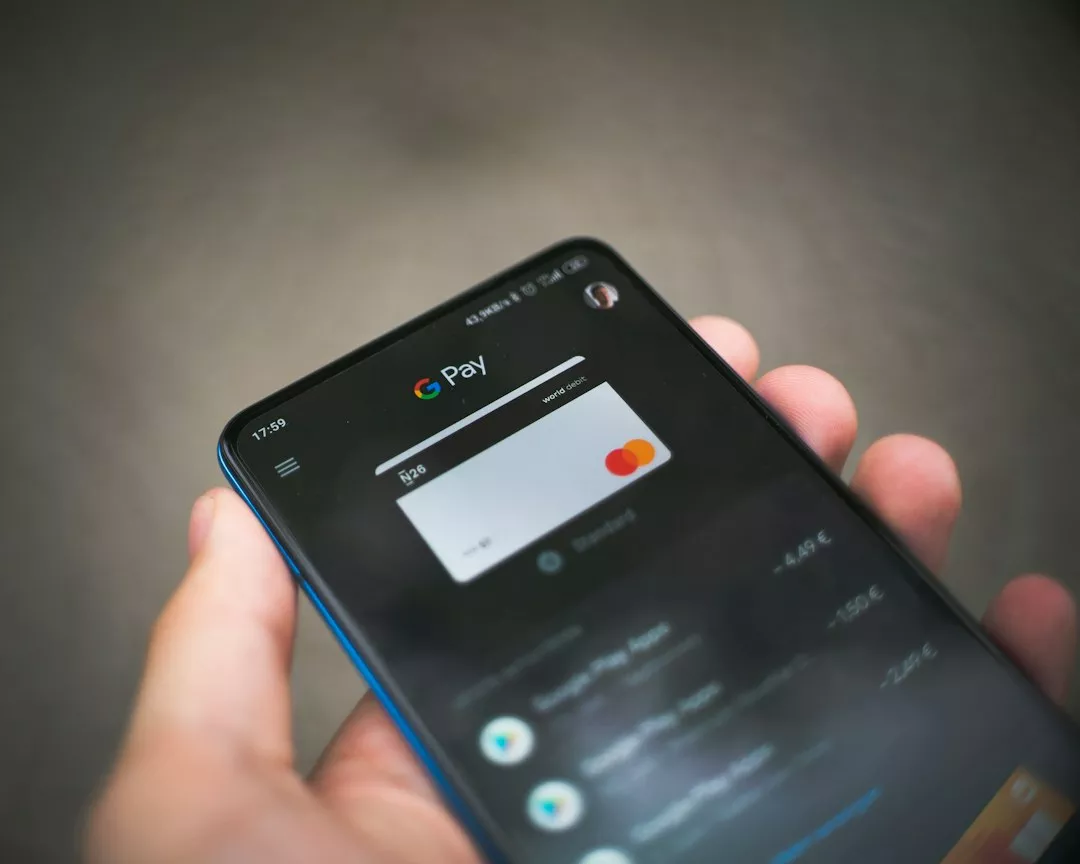
BLIK is a defining feature of Polish banking. It lets you pay online, in shops and at ATMs using a short code generated in your banking app, and it also supports phone-number transfers between users. Because it is built into the large banks' apps, you usually do not need to sign up for anything separate. Contactless card payments and mobile wallets are also widely accepted, so you can spend easily without carrying cash.
When comparing banks, look at how well the app handles these everyday tasks: setting card limits, blocking a card instantly, scheduling transfers and splitting expenses. A polished app can matter more day to day than a small difference in fees.
Savings, Deposits and Deposit Protection
Most Polish banks let you open a savings account or a term deposit (lokata) alongside your current account. Interest rates on these products vary by bank, term and market conditions, and promotional rates often apply only to new money or for a limited period. Never rely on a rate quoted in an advert without confirming the current value and its conditions with the provider.
Deposits in Polish banks are covered by the Bank Guarantee Fund (Bankowy Fundusz Gwarancyjny, BFG), which protects eligible deposits up to a legal limit if a bank fails. Check the BFG's official information to see what is covered and the current limit. If you are interested in building a cushion, our guide to building an emergency fund faster offers practical ideas that apply anywhere, and why your savings aren't beating inflation explains how to think about real returns on cash.
How to Compare Banks Step by Step
Rather than picking the bank with the loudest advertising, work through a short checklist:
- List how you actually bank. Do you get a salary, travel abroad, use cash often, or mostly pay online?
- Read the fee table. Identify which conditions you must meet to keep the account free of monthly charges.
- Test the app. Many banks let you explore their app or demo before you commit. Check how easy it is to find key features.
- Check branch and ATM access. PKO BP has an extensive branch network, while digital-first banks lean on partner ATMs and the app. Choose what suits your habits.
- Look at extras. Linked savings, joint accounts, children's accounts and customer service channels can tip the balance.
- Read the terms. Welcome bonuses and cashback offers often come with strict conditions and may change at any time.
Welcome offers: read the fine print
Banks sometimes advertise cash bonuses for opening an account. These typically require you to redirect your salary, make a set number of card payments or keep the account active for a period. Whether you qualify, and whether the offer is still running, is entirely up to the bank, so confirm the details directly before opening an account for a promotion.
Switching Banks in Poland
If you already have a Polish account and want to move, the process is designed to be manageable. Poland has an account-switching service that lets you transfer standing orders and direct debits to a new bank with limited manual effort. Before you switch, make a list of every recurring payment and every company that pays money into your account, such as your employer. Our general guide on how to switch banks without missing a payment walks through the planning steps, and the same principles apply in Poland.
Keep your old account open until you have confirmed that salary, bills and subscriptions have all moved over. Closing it too early is the most common cause of missed payments.
Practical Tips for Staying in Control
- Set up notifications for every card transaction so you notice anything unusual.
- Use your bank's card limits and instant-blocking feature to reduce fraud risk.
- Review your statements regularly and cancel subscriptions you no longer use.
- Keep your everyday money and savings in separate accounts so you are not tempted to spend your buffer.
If you struggle to make your income last, the habits in why you run out of money before payday can help you get a clearer picture of where your money goes each month.
Final Thoughts
A Polish bank account can be an inexpensive and convenient tool, but only if you match it to the way you use money. Compare the fee conditions rather than the slogans, test the app, understand how BLIK and card payments work for you, and confirm every current rate, fee and promotion with the bank itself. Products, conditions and eligibility are always decided by the provider, and every financial product carries terms and risks, so take your time and read the documents before you sign.
Umberglint Editorial Team
Our editorial team writes practical guides to cards, loans and banking for readers in the Nordic countries and Poland.