How Danish Budgeting Works: Fixed Costs, Pay Dates and Sinking Funds
Learn how to build a practical household budget in Denmark: handle fixed costs, Betalingsservice, NemKonto, sinking funds and irregular bills without stress.
Budgeting in Denmark has a few quirks that foreign textbooks rarely cover. Many bills are collected automatically, wages are usually paid monthly, and some of the biggest expenses arrive only a few times a year. A budget that ignores these realities tends to fall apart by the second week of the month. This guide shows how to build a Danish household budget that fits the way money actually moves through your accounts.
Start With How Money Moves in Denmark
Before you assign a single krone to a category, understand the infrastructure around your cash flow. Most people in Denmark receive their pay into a bank account connected to their NemKonto, the account designated for payments from public authorities. Your salary typically arrives once a month, often at the end of the month, which means you must stretch one payment across several weeks.
Many recurring bills run through Betalingsservice (also known as PBS), which lets companies collect payments directly from your account on set dates. Others use Mastercard- or Visa-linked card payments or MobilePay Subscriptions. Because these debits happen automatically, they are the foundation of your budget: they are predictable, and they will leave your account whether or not you remember them.
Map Your Pay Date Against Your Debit Dates
Write down the day your salary arrives and the date each automatic payment is collected. Rent, electricity, internet, phone, insurance and gym memberships often cluster around the first days of the month. If several large debits hit just before your pay lands, you may feel permanently short even though your total income covers your total spending. This is a timing problem, not a spending problem, and it is a common reason people feel broke before the month ends. The same pattern is explained in more detail in Why You Run Out of Money Before Payday.
Many Danish providers let you change the collection date, and some banks let you move payment dates inside their netbank. Ask your provider whether you can align the dates with the day after your salary arrives.
Build the Budget in Three Layers
A simple structure works better than a dozen detailed categories. Think in three layers: fixed costs, variable costs and future costs.
Layer One: Fixed Costs
Fixed costs are the bills that do not change much and cannot easily be skipped. In Denmark these typically include:
- Rent (husleje) or mortgage payments, including any ejerudgift or boligafgift if you own
- Heating, electricity and water, often with an estimated monthly instalment and a yearly settlement
- Mobile phone, broadband and TV licence-related costs where applicable
- Home contents, liability, accident and car insurance
- Union membership and unemployment insurance fund (a-kasse) contributions
- Transport such as a Rejsekort or commuter card, or car costs
- Loan and credit repayments
Add these up using your own statements rather than guesses. Look at the past few months in your netbank, since forgotten subscriptions are common.
Layer Two: Variable Costs
Variable costs are the things you control week to week: groceries at Netto, Rema 1000 or Føtex, eating out, clothing, leisure and hobbies. Instead of tracking every purchase, set a weekly allowance for each main category and move it into a separate account or a dedicated card. When the weekly amount is gone, it is gone. This creates natural limits without constant monitoring. If budgeting advice has frustrated you before, 6 Budgeting Myths That Keep You From Saving explains why overly strict systems tend to fail.
Layer Three: Future Costs
This is the layer most people skip, and it is where Danish budgets often break. Some costs arrive only once or twice a year, but they are entirely predictable:
- Annual or half-yearly insurance premiums
- Car tax (grøn ejerafgift) and car inspection
- Yearly settlement on heating or electricity
- Property-related charges and building maintenance
- Christmas, birthdays and holiday travel
- Dentist visits, which are only partly subsidised for adults
- Back payments (restskat) if your tax assessment was too low

Use Sinking Funds for Irregular Bills
A sinking fund is money you set aside gradually for a known future expense. Take the total you expect to pay across the year for irregular costs, divide it by twelve, and transfer that amount each month into a separate savings account. When the car tax or insurance bill arrives, the money is already there.
Many Danish banks, including Danske Bank, Nordea, Jyske Bank, Nykredit Bank and the online-focused options, allow you to create several named accounts or sub-accounts inside your netbank or app. Giving each account a clear label such as Insurance, Car or Christmas makes the purpose obvious. Check with your bank whether extra accounts carry any charge and what interest, if any, they earn, since terms differ and change over time.
The key habit is automation. Set up a monthly standing order (fast overførsel) on the day after your salary arrives, so the money moves before you can spend it. This also pairs naturally with an emergency buffer; for ideas on building one, see 7 Smart Ways to Build an Emergency Fund Faster.
Understand Your Salary Slip and Tax
Danish pay is usually reported after tax withheld at source (A-skat), so the amount reaching your account is your net pay. Your personal tax card (forskudsopgørelse) determines how much is withheld and what deductions are factored in. If your circumstances change, such as a new job, commuting costs or a change in loan interest, review your preliminary assessment on skat.dk so withholding matches reality. Getting this right can reduce the risk of an unexpected bill or an unnecessarily small monthly payout. Always rely on the official tax authority for current rules and thresholds.
Also remember that pension contributions, often deducted automatically by employers, are part of your overall financial picture even though they never appear in your spending account. Check your pension provider's statements regularly to see what is being contributed.
Choose a Budgeting Method That Suits You
There is no single correct system. Three approaches work well in a Danish context:
The Separate Accounts Method
Open a bills account for fixed costs, a spending account for daily life and a savings account for future costs. Each month, move the right amount into each account on payday. Your fixed bills are collected from the bills account, so you can see at a glance whether you are covered.
The Weekly Allowance Method
Divide variable spending into weekly portions and treat each as a hard limit. This works well for households that overspend early in the month.
The Percentage Method
Allocate broad shares of your net income to needs, wants and saving or debt repayment. It is flexible and easy to adjust, but you must check that your fixed costs fit within the needs share, especially in expensive housing markets.
Handle Debt and Credit Within the Budget
If you carry card balances, consumer loans or instalment plans, list each one with its minimum payment and decide which to tackle first. Remember that borrowing costs vary and can change, so always check the current terms with your lender. The way lenders present total costs matters too; How Personal Loan APR Differs From the Rate explains why comparing the headline rate alone can mislead you.
Danish consumers also have access to free debt counselling services through organisations and municipalities if repayments become unmanageable. Reaching out early generally gives you more options than waiting until payments are missed.
Review the Budget Regularly
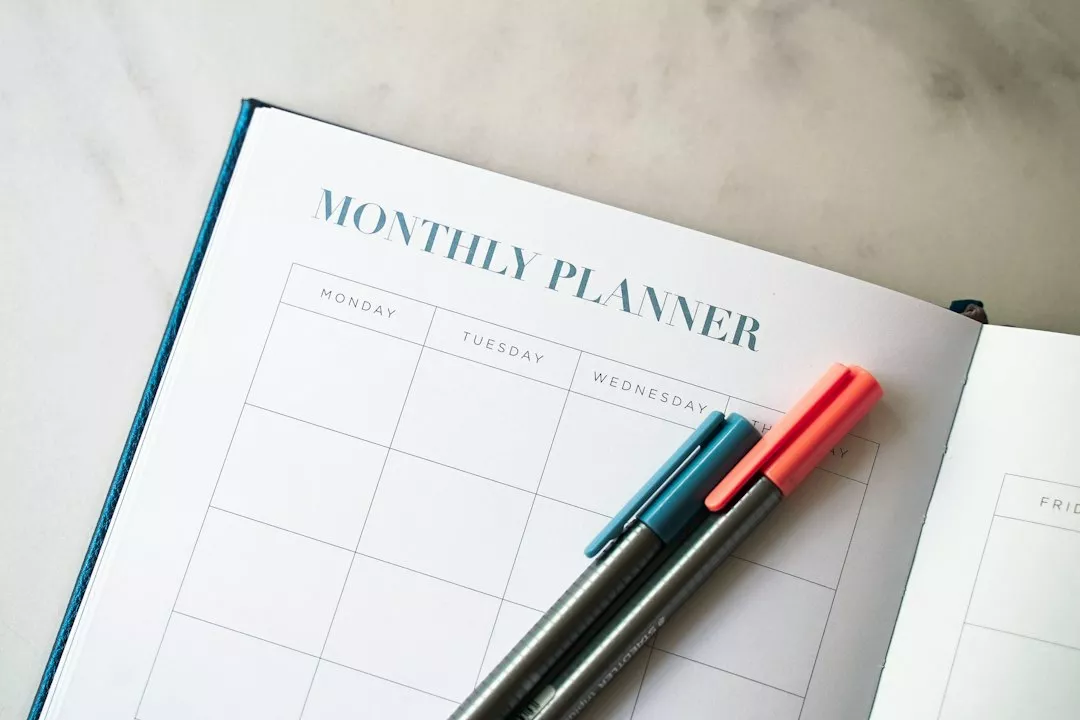
A budget is not a one-time project. Set a short monthly check-in, ideally right after payday, to compare planned and actual spending, top up sinking funds and adjust categories. Do a fuller review every few months or whenever something changes, such as a new job, a move, a child or a change in rent. Prices for energy, groceries and insurance move over time, so the numbers in your plan should move too. Always verify current costs and terms directly with the relevant provider rather than relying on old figures.
Common Danish Budgeting Mistakes to Avoid
- Forgetting that automatic Betalingsservice debits are fixed commitments
- Ignoring the yearly settlement on utilities and being caught off guard
- Treating irregular bills as surprises instead of planning for them
- Keeping all money in one account so nothing has a clear purpose
- Not updating the preliminary tax assessment after life changes
- Setting a budget so tight that it is abandoned within weeks
Final Thoughts
A good Danish budget respects timing: it starts from your pay date, accounts for automatic debits, and prepares for the bills that arrive once or twice a year. By layering fixed, variable and future costs, using sinking funds and automating transfers, you can reduce stress without tracking every purchase. Remember that every financial product carries conditions and risks, and your situation is unique, so check current terms with your bank and consider speaking to an independent adviser if you are unsure.
Umberglint Editorial Team
Our editorial team writes practical guides to cards, loans and banking for readers in the Nordic countries and Poland.