How Credit Cards Work in Finland: Credit Limits, Billing and Costs
Learn how credit cards work in Finland: billing cycles, credit limits, Finnish consumer credit rules, interest and how to use a card responsibly.

Debit cards dominate everyday payments in Finland, so many residents never think much about credit cards until they need one for travel, a car rental or an online booking. If you are new to the market, or simply want to use your card more wisely, it helps to understand how Finnish credit cards actually function. This guide explains the mechanics, the rules that protect consumers, and the practical habits that keep costs under control.

What a Credit Card Is (and Is Not)
A credit card lets you spend money the issuer lends you, up to a credit limit that the issuer sets. Unlike a debit card, which draws directly from your account balance, a credit card creates a short-term loan each time you pay. At the end of the billing period you receive an invoice, and you decide how much of it to repay.
In Finland, cards are issued by banks such as Nordea, OP, Danske Bank, S-Pankki, Handelsbanken and Aktia, as well as by specialised card companies and retail-linked providers. Most are branded Visa or Mastercard, and many are bundled with a bank account relationship or a loyalty programme.
Credit Card vs. Debit Card vs. Charge Card
- Debit card: spends your own money immediately, with no borrowing involved.
- Credit card: lets you carry a balance and repay in instalments, usually with interest on the unpaid part.
- Charge-style card: expects the full invoice to be paid each period, though availability varies by issuer.
Always check with the provider which model your specific product follows, because the terms differ even between cards from the same bank.
How the Billing Cycle Works
Your purchases are collected over a billing period and then summarised on one invoice. Finnish issuers typically send this as an e-invoice or a PDF in your online bank. Each invoice shows your purchases, any interest and fees, the total amount owed, the minimum payment and the due date.
The key concept is the interest-free period. If you pay the full invoice by the due date, many cards charge no interest on purchases. If you pay only part of it, interest generally applies to the remaining balance, and in some cases to new purchases as well. The exact length of the interest-free period and the way interest is calculated are set out in your contract, so read it before relying on any assumption.
Understanding Your Credit Limit
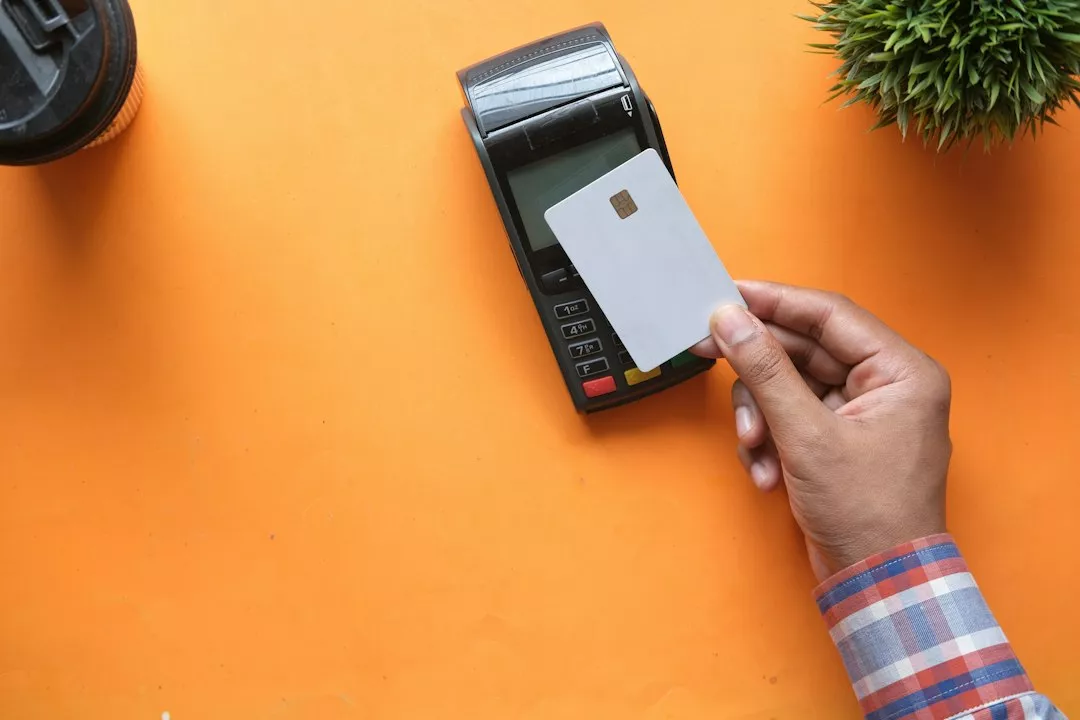
The limit is the maximum amount you can owe at one time. The issuer decides it after assessing your application, and it is not something you can demand. It is often described as a maximum rather than a target, and spending to the edge of it leaves little room for unexpected costs such as a hotel pre-authorisation or a car rental deposit.
Two practical points are worth remembering:
- Holds placed by hotels, fuel stations and rental companies can temporarily reduce your available limit even before the final charge appears.
- Repayments free up your limit again, but there can be a short delay before the new balance shows.
What Finnish Law Says About Consumer Credit
Credit cards in Finland fall under consumer credit rules in the Consumer Protection Act, and the Finnish Competition and Consumer Authority (KKV) supervises how credit is marketed. The Financial Supervisory Authority (Finanssivalvonta) oversees the financial institutions themselves. Several protections are relevant when you hold a card:
- Clear pre-contract information: the issuer must give you standard information about the credit before you sign, including the cost of the credit expressed as an annual percentage rate.
- Responsible lending: the issuer must assess your ability to repay before granting credit, which is why they ask about your income, debts and living costs.
- Right of withdrawal: consumers generally have a statutory period to cancel a credit agreement after it is concluded. Check the current length of that period with the issuer or KKV.
- Interest rate caps: Finland applies statutory limits to the cost of consumer credit. The current ceilings are published by the authorities and can change.
Because these details are updated from time to time, treat any figure you read online with caution and confirm it with the official source.

The Credit Check Before You Get a Card
When you apply, the issuer will usually look at your record in the credit register run by a credit information company such as Suomen Asiakastieto. Finland also operates a positive credit register, which is designed to give lenders a fuller picture of existing debts and so support responsible lending. Your own details are your own: you have the right to see what is recorded about you and to correct errors.
Many applicants are surprised by how a rejection affects them. Approval is always the issuer's decision, and a decline does not necessarily mean something is wrong with you. Different providers weigh income, existing obligations and payment history differently. For a deeper look at the lending side of this process in the region, our article on how credit checks work before a loan explains the general logic lenders follow, even though the details of the register differ by country.
Costs to Look For
Before choosing a card, compare the cost structure rather than the headline benefits. The types of cost that can apply include:
- An annual or monthly card fee, which may be waived under certain conditions.
- Interest on revolving balances.
- Invoicing or paper statement fees.
- Cash withdrawal charges, which are often higher than for ordinary purchases.
- Foreign currency conversion margins on purchases made outside the euro area.
- Late payment charges and reminder fees.
Do not rely on remembered numbers. Ask the provider for the current price list, and read how the annual percentage rate is presented. Our guide to how APR differs from the nominal rate is a useful companion when comparing the true cost of borrowing.
Rewards, Insurance and Extras
Some Finnish cards offer bonus points, cashback-style benefits through a customer programme, or travel insurance. These can be genuinely useful, but they rarely compensate for interest if you regularly carry a balance. Insurance cover often depends on how you paid for the trip, how long you travel and the terms of the policy, so verify the conditions before assuming you are protected. For ideas on getting more from your card, see 7 credit card perks you're probably not using.
Using a Card Responsibly
Pay the Invoice in Full When You Can
The simplest way to keep costs low is to treat the card as a payment tool rather than a loan. If you cannot comfortably repay the invoice, consider whether the purchase fits your budget at all.
Set Up Reminders or Direct Payment
Missed due dates can lead to fees and may be recorded as a payment default, which can affect your ability to borrow later. Automatic payment from your account, where offered, reduces that risk.
Watch Your Total Debt
Revolving balances can grow quietly. If you already carry card debt, our article on paying off credit card debt faster outlines practical approaches, and you should consider comparing alternatives such as a lower-cost loan if that suits your situation.
Review Your Statements
Check each invoice for unfamiliar charges. If you notice an unauthorised transaction, contact the issuer promptly, since there are procedures and time limits for disputing payments.
Risks to Keep in Mind
Credit cards are convenient, but they carry real risks. Borrowing can become expensive if balances are carried for long, and every missed payment can have consequences. Spending feels less tangible when you do not see your account balance fall immediately, which is a well-known behavioural trap. Credit is not free money, and no card guarantees any financial benefit.
Choosing the Right Card for You
Start with how you plan to use the card. Occasional travellers may prioritise low fees and decent insurance, while frequent online shoppers may care more about purchase protection and a convenient app. Compare at least a few providers, read the contract terms and the key information document, and confirm every cost directly with the issuer. If you are unsure, the Finnish consumer advisory service and the KKV offer neutral guidance on consumer credit.
Final Thoughts
Understanding billing cycles, limits, costs and legal protections puts you in a much stronger position than simply accepting the first offer you see. Use a credit card deliberately, keep an eye on the cost of borrowing, and confirm all current terms with your chosen provider before signing anything.
Umberglint Editorial Team
Our editorial team writes practical guides to cards, loans and banking for readers in the Nordic countries and Poland.